When and why was the double zero added to the American roulette wheel?
The double zero was added to the American roulette wheel in the mid-19th century. The exact year is not clear, but it is believed to have been added around the 1860s. The reason for its addition was to increase the house edge, making the game more profitable for the casino.
At the time, gambling was not regulated in the United States, and casinos were free to set their own rules and payouts. To increase profits, some casinos began adding an extra slot to the wheel, a double zero, in addition to the standard single zero. This increased the number of possible outcomes, making it more difficult for players to win, and giving the casino a higher edge.
zula casino app
Zula Casino Guide: Games Accounts Bonuses and What US Players Should Know
Types of Slots Explained: Classic Video Progressive & More
Top 5 Online Casinos of 2025: Where to Play and Win Big
Is It Worth Buying a Slot Bonus?
Bitstarz no deposit bonus up to 5 BTC and 200 free spins
iPhoneルーレット最速!今すぐ回して運試し
Slot Bonuses Demystified: A Clear Guide to Free Spins Multipliers & More
Paulius Plausinaitis Wins GGMillion$ SHR for $315054
Bonus Types Explained: Simple Guide to Discretionary vs Non-Discretionary Bonuses
WPT Global Casino: A Fun-Filled Adventure
zula casino promo code
Is It Worth Buying Bonuses on Slots?
ルーレットの保存方法|URL・ブックマークで簡単に保存
The Thrilling Race for WPT Season 22 Player of the Year at Wynn Las Vegas
What is the origin of the name Roulette?
WPT Global: The Premier Choice for Poker Players
Zula Casino App Guide: Mobile Access Games Account Security and Device Tips
Is Global Poker Real Money?
What Casinos Offer Bonus Buy Slots?
Top Online Casino Apps of 2025
Which Countries Can Play WPTGlobal in 2024?
zula casino
Slots Types Explained: A Clear Guide to Classic Video Megaways & More
ルーレットはどこの国が発祥?フランスの歴史と種類の違い
Payment Options at EVERYGAME Poker: Quick and Easy Transactions
WPT Global Spring Festival: $7000000 Guaranteed Prize Pool
ルーレットの範囲は?
WPT Global’s Sunday Hyper PKO Showdown: Low Buy-In High Excitement
Zula Casino Guide: Games Accounts Bonuses and What US Players Should Know
How did the introduction of online casinos impact the game of roulette?
ルーレットで0が出たら何倍?|0の配当と注意点を徹底解説
How to Download Register and Master WPT Global: 2025 Ultimate Guide
zula casino promo code
ルーレット0の倍率は36倍!初心者必見の的中戦略と確率完全解説
Types of Bonuses Explained
Best Online Casino Bonuses 2026: Big Matches Fair Wagering Real Value
Slot Bonuses Demystified: A Clear Guide to Free Spins Multipliers & More
What is the future of the game of roulette?
FAQ
zula casino login
WPT Global Spring Festival: $7000000 Guaranteed Prize Pool
ルーレットはどこの国が発祥?フランスの歴史と種類の違い
How did the introduction of online casinos impact the game of roulette?
Golden Bounty Championship: Your Weekly Shot at $100K on WPT Global
New Rules for WSOP Paradise: Electronic Devices and Real-Time Assistance
Top 7 Online Casino Bonuses in June 2026: $6900+ Credits & 4600 Spins!
Online Casino Welcome Bonus No Deposit 2025
WPT Global: The Premier Choice for Poker Players
Who Has the Most WSOP Bracelets?
Top Online Casino Apps of 2025
zula casino
Zula Casino Guide: Games Accounts Bonuses and What US Players Should Know
WPT Globals New Welcome Bonus: Up to $3580 in Rewards
Best Online Slot Bonus
Best Online Casino Bonus 2026: Find the Top Welcome Deals
Wheel of Fortune Bonus Round Categories
Online Slots Bonus USA – Frequently Asked Questions
WPT Global ¥110 CN¥ Million Sunday Hyper PKO Showdown
ルーレットはどこの国が発祥?フランスの歴史と種類の違い
The best guide: how to playing poker online
What is TP in WPT poker?
zula casino app
2025 WSOP Explosion! New Formats + Huge Prizes Poker Players Must Not Miss It!
Most Trusted Online Casino: WPT Global
A Woman’s Guide to Selecting the Perfect Sex Toy
Best Online Casino Bonuses 2026: Big Matches Fair Wagering Real Value
WPT Global Tournament Schedule 2025
Should You Buy Bonuses on Slots? Quick Guide for Smart Players
Use WPT777 Bonus Code to Claim Your Special Offer at WPT Global
Casino Slot Bonuses USA FAQ: No Deposit Slots Sign Up Rewards Casino App Bonuses and Cashout Rules
Cory Zeidman Pleads Guilty to Sports Betting Fraud Scheme
ルーレットとは?カジノの女王の仕組み・ルール・攻略法を完全解説
zula casino
WEB抽選とは?仕組みとメリットをわかりやすく解説
Free Money Casinos USA: No Deposit Bonus Sites 2026
WPT Global ¥110 CN¥ Million Sunday Hyper PKO Showdown
A Woman’s Guide to Selecting the Perfect Sex Toy
Doug Polk Faces Backlash Over Playing in His Own Tournaments at The Lodge
Top 7 Online Casino Bonuses in June 2026: $6900+ Credits & 4600 Spins!
Eligible Countries for EVERYGAME Poker: Join the Action with bonus code
One Shot – Freezeout Tournament by WPT Global
ルーレットの遊び方を初心者向けに解説!賭け方と基本ルール
Is Buying a Slot Bonus Worth It? A Simple Guide
What were the original rules and betting options for roulette?
zula casino login
What role did roulette play in popular culture such as movies and literature?
WSOP USA Top 8 FAQ
11 best poker apps and games for Android
Best Online Casino Bonus 2026: Find the Top Welcome Deals
Golden Bounty Championship: Your Weekly Shot at $100K on WPT Global
Zula Casino Guide: Games Accounts Bonuses and What US Players Should Know
Casino Slot Bonuses USA FAQ: No Deposit Slots Sign Up Rewards Casino App Bonuses and Cashout Rules
Highest Payout Slots USA: Top Real Money Games and How to Win
Top No Deposit Bonus Casinos in 2025: Play and Win Without Spending a Dime
What were the original rules and betting options for roulette?
zula casino promo code
Eligible Countries for EVERYGAME Poker: Join the Action with bonus code
Types of Slots Explained: Classic Video Progressive & More
New Rules for WSOP Paradise: Electronic Devices and Real-Time Assistance
WPT Global Million Sunday Hyper PKO Showdown: Event Details & Guide
Best Online Casino Bonuses 2026: Big Matches Fair Wagering Real Value
Phil Ivey Hosts Festive Meet-Up Game at Wynn Las Vegas This December
Bitstarz no deposit bonus up to 5 BTC and 200 free spins
Is Buying a Slot Bonus Worth It? A Simple Guide
Highest Payout Slots USA: Top Real Money Games and How to Win
Online Slots Bonus USA Guide: Slot Bonus Types Explained for Real Money Casino Players
What were the original rules and betting options for roulette? The original rules and betting options for roulette were relatively simple. The game featured a spinning wheel with numbered pockets, typically ranging from 1 to 36. The early versions of the game also featured a single zero pocket, which gave the house a slight edge. In some variations, there was also a double zero pocket, which further increased the house edge.
What is the future of the game of roulette?
zula casino reviews
WPT World Championship 2024 Kicks Off at Wynn Las Vegas: What to Expect
Zula Casino Guide: Games Accounts Bonuses and What US Players Should Know
WPT Global’s Sunday Hyper PKO Showdown: Low Buy-In High Excitement
Online Slots Bonus USA FAQ: Free Spins No Deposit Slot Bonuses Real Money Rewards and Casino App Offers
Qualify for Red Dragon Poker Tour Jeju 2025 via WPT Global Satellites
What is the origin of the name Roulette?
Play Online Poker on Android: The 2025 Guide
ルーレットの歴史を徹底解説|いつからあるゲームなのか
iPhoneルーレット最速!今すぐ回して運試し
Should You Buy Bonuses on Slots? Quick Guide for Smart Players
zula casino promo code
Online Slots Bonus USA FAQ: Free Spins No Deposit Slot Bonuses Real Money Rewards and Casino App Offers
抽選ルーレットの作り方|アプリ不要で5分完成!無料Webツール完全ガイド
Who Has the Most WSOP Bracelets?
2025 WSOP Explosion! New Formats + Huge Prizes Poker Players Must Not Miss It!
How to Qualify for WPT Live Events Online in 2025
How Casino Bonus Codes Work: A Simple Guide
How Casino Bonuses Work: Wagering Rules & Tips
Webルーレットは何項目まで?
Online Slots Bonus USA Guide: Slot Bonus Types Explained for Real Money Casino Players
What is the future of the game of roulette?
What is the future of the game of roulette? One potential future for roulette is the integration of virtual and augmented reality technologies. This would allow players to immerse themselves in a virtual casino environment and enjoy a more realistic and engaging gaming experience.
Another potential future for roulette is the continued growth of online gaming. As more and more people turn to the internet for their gaming needs, online casinos are likely to become even more popular.
When and where was the game of roulette first played?
zula casino app
How to Download Register and Master WPT Global: 2025 Ultimate Guide
WPT Global Tournament Schedule 2025
Webルーレットは何項目まで?
ルーレットの保存方法|URL・ブックマークで簡単に保存
How Casino Bonus Codes Work: A Simple Guide
WPT Global Bonus Terms: Cashing In Made Simple
ルーレットの範囲は?
Best Slot Games With Bonuses 2026: Top Free Spins & Multipliers
WPT Prime Championship Returns with Jereld Sam Shining
WPT World Championship 2024 Kicks Off at Wynn Las Vegas: What to Expect
zula casino login
WPT Prime Championship Returns with Jereld Sam Shining
Is Buying a Slot Bonus Worth It? A Simple Guide
Online Casino Welcome Bonus No Deposit 2025
Won $100000 at a Casino? What Happens Next
WPT Global Tournament Schedule 2025
Highest Payout Slots USA: Top Real Money Games and How to Win
Best New USA Casino Welcome Bonuses
Free Money Casinos USA: No Deposit Bonus Sites 2026
WPT Global Withdrawal Guide: Cashing Out Made Simple
Best Online Slot Bonus
When and where was the game of roulette first played? The game as we know it today first appeared in Paris in 1796, and quickly gained popularity throughout Europe, especially in the casinos of Monte Carlo. The addition of the zero by Francois and Louis Blanc in the mid-19th century helped to increase the house edge and make the game more profitable for casinos.
Who invented the game of roulette?
zula casino promo code
Golden Bounty Championship: Your Weekly Shot at $100K on WPT Global
Most Trusted Online Casino: WPT Global
Is Global Poker Real Money?
WPT Global No Deposit Bonus 2025 – Try Real Online Poker Risk-Free
WPT Global Million Sunday Hyper PKO Showdown: Event Details & Guide
WPT Global: The Premier Choice for Poker Players
How to Qualify for WPT Live Events Online in 2025
How to Download Register and Master WPT Global: 2025 Ultimate Guide
How to Download WSOP NV
Timothy Chung: From Birthday Party to WPT Prime UK Champion
zula casino app
WPT Global Million Sunday Hyper PKO Showdown: Event Details & Guide
2025 WSOP Explosion! New Formats + Huge Prizes Poker Players Must Not Miss It!
Fastest Instant Payout Online Casinos in the USA
Wheel of Fortune Bonus Round Categories
Which Online Casino Has the Highest Bonus? Compare Offers
Shevliakov’s Comeback Wins Million-Euro Prize! How Did an Amateur Shock Everyone at the EPT Monte Carlo?
Payment Options at EVERYGAME Poker: Quick and Easy Transactions
WPT Global Bonus Terms: Cashing In Made Simple
ルーレットの歴史を徹底解説|いつからあるゲームなのか
How Do Slot Bonuses Work?
Who invented the game of roulette? The exact origins of roulette are a subject of much debate and speculation among historians and gambling enthusiasts. While there is no clear consensus on the game’s inventor, several theories exist regarding its creation.
One of the most popular theories is that the game was invented by a French mathematician named Blaise Pascal in the 17th century. According to this theory, Pascal was attempting to develop a perpetual motion machine when he inadvertently created the roulette wheel.
ルーレットの範囲は?
zula casino
WPT Globals New Welcome Bonus: Up to $3580 in Rewards
Online Slots Bonus USA – Frequently Asked Questions
Best Online Casino Bonus 2026: Find the Top Welcome Deals
How did the introduction of online casinos impact the game of roulette?
Types of Slots Explained: Classic Video Progressive & More
How to Win at Online Blackjack: Strategies for 2025
Doug Polk Faces Backlash Over Playing in His Own Tournaments at The Lodge
Slot Bonus Types in the USA: How Different Promotions Change Slot Play
ルーレットで0が出たら何倍?|0の配当と注意点を徹底解説
The Thrilling Race for WPT Season 22 Player of the Year at Wynn Las Vegas
zula casino reviews
Is Buying a Slot Bonus Worth It? A Simple Guide
WPT Global Spring Festival: $7000000 Guaranteed Prize Pool
Bitstarz no deposit bonus up to 5 BTC and 200 free spins
The Thrilling Race for WPT Season 22 Player of the Year at Wynn Las Vegas
Top Real Money Online Casinos USA 2026: BetMGM Leads The Pack
Best Online Casino Bonuses 2026: Big Matches Fair Wagering Real Value
zula casino
How to Download WSOP NV
ルーレットの遊び方を初心者向けに解説!賭け方と基本ルール
ルーレットを2つ同時に回す実践ガイド
ルーレットとは?カジノの女王の仕組み・ルール・攻略法を完全解説
Online Slots Bonus USA Guide: Slot Bonus Types Explained for Real Money Casino Players
How to Win at Online Slots in 2025 with WPT Global
Top Online Casino Apps of 2025
Shevliakov’s Comeback Wins Million-Euro Prize! How Did an Amateur Shock Everyone at the EPT Monte Carlo?
Best Online Casino Bonus 2026: Find the Top Welcome Deals
What role did roulette play in popular culture such as movies and literature?
zula casino promo code
The Daily Prime Tournaments from WPT Global
The best guide: how to playing poker online
ルーレットの遊び方を初心者向けに解説!賭け方と基本ルール
ルーレットの歴史を徹底解説|いつからあるゲームなのか
When and where was the game of roulette first played?
WPT Global’s Sunday Hyper PKO Showdown: Low Buy-In High Excitement
Which Countries Can Play WPTGlobal in 2024?
Use WPT777 Bonus Code to Claim Your Special Offer at WPT Global
Can I Play GGPoker in the US?
Best Online Slot Bonus
If you’re trying to find the online casino with the best bonuses, the answer isn’t always about the biggest headline number. In 2026, the top sites usually offer a mix of a strong welcome bonus, fair play‑through rules, and ongoing promos you can actually use. For example, some regulated U.S. casinos give away welcome bonuses worth up to $1,000 or more when you meet certain deposit requirements, while others stack matches with free‑spin packs that can add hundreds of dollars of extra value.
What role did roulette play in popular culture such as movies and literature?
zula casino reviews
Best Slot Bonus 2026: Gates of Olympus Crushes All
What is a Rake Chase?
ルーレットで0が出たら何倍?|0の配当と注意点を徹底解説
How Do Slot Bonuses Work?
Timothy Chung: From Birthday Party to WPT Prime UK Champion
WEB抽選とは?仕組みとメリットをわかりやすく解説
Slot Bonus Types in the USA: How Different Promotions Change Slot Play
Top Online Poker Tournaments to Watch and Play in 2025
2025 WSOP Explosion! New Formats + Huge Prizes Poker Players Must Not Miss It!
Use WPT Global Passport Dollars to Enter Triton High-Stakes Events
zula casino login
Fastest Instant Payout Online Casinos in the USA
抽選ルーレットの作り方|アプリ不要で5分完成!無料Webツール完全ガイド
ルーレットで0が出たら何倍?|0の配当と注意点を徹底解説
WPT Global Withdrawal Guide: Cashing Out Made Simple
One Shot – Freezeout Tournament by WPT Global
WPT Global Bonus Terms: Cashing In Made Simple
What is the origin of the name Roulette?
Spin Slots or Buy Bonuses?
What role did roulette play in popular culture such as movies and literature?
How Slot Machine Bonuses Work: Free Spins Features & Wins
What role did roulette play in popular culture, such as movies and literature? Roulette has played a significant role in popular culture, appearing in numerous movies, books, and other forms of media. In movies, roulette often appears as a symbol of glamour, luxury, and risk-taking. One of the most famous examples is the classic film “Casablanca,” where the game is prominently featured in several scenes. In the movie, the character Rick (played by Humphrey Bogart) runs a popular nightclub and casino in Casablanca, Morocco, where roulette is one of the main attractions.
ルーレットで0が出たら何倍?|0の配当と注意点を徹底解説
zula casino promo code
ルーレットを2つ同時に回す実践ガイド
Cory Zeidman Pleads Guilty to Sports Betting Fraud Scheme
Slots Types Explained: A Clear Guide to Classic Video Megaways & More
Free Money Casinos USA: No Deposit Bonus Sites 2026
ルーレットの0の倍率は?配当35倍をわかりやすく解説
WSOP USA Top 8 FAQ
Doug Polk Faces Backlash Over Playing in His Own Tournaments at The Lodge
Best Gambling Site Welcome Bonus: What to Compare
Who invented the game of roulette?
ルーレットの遊び方を初心者向けに解説!賭け方と基本ルール
zula casino
Casino Slot Bonuses USA FAQ: No Deposit Slots Sign Up Rewards Casino App Bonuses and Cashout Rules
Can I Play GGPoker in the US?
Webルーレットは何項目まで?
ルーレットの0の倍率は?配当35倍をわかりやすく解説
Online Slots Bonuses and Real Money in the USA – FAQs Explained
WPT Global Cow Boy:A Players Perspective
How Slot Machine Bonuses Work: Free Spins Features & Wins
Most Trusted Online Casino: WPT Global
What are some famous roulette scandals and controversies throughout history?
Everygame Poker Review: Your Guide to Online Poker
WPT Global Newest Promo: Ticket to Some Additional Play Money
Types of Bonuses Explained
Best New USA Casino Welcome Bonuses
Can I Play GGPoker in the US?
No Deposit Free Spins at WPT Global – Play Without Spending
Casino Slot Bonuses USA FAQ: No Deposit Slots Sign Up Rewards Casino App Bonuses and Cashout Rules
WPT Global’s Sunday Hyper PKO Showdown: Low Buy-In High Excitement
Who Has the Most WSOP Bracelets?
Highest Payout Slots USA: Top Real Money Games and How to Win
zula casino
11 best poker apps and games for Android
Top Online Poker Tournaments to Watch and Play in 2025
No Deposit Free Spins at WPT Global – Play Without Spending
When and why was the double zero added to the American roulette wheel?
What Casinos Offer Bonus Buy Slots?
Webルーレットは何項目まで?
ルーレットの遊び方を初心者向けに解説!賭け方と基本ルール
How to Qualify for WPT Live Events Online in 2025
What is TP in WPT poker?
Best Online Casino Bonuses 2026: Big Matches Fair Wagering Real Value
What Are the Different Types of Bonuses? Bonuses are extra payments that employers give on top of regular pay. Companies use them to reward good work, attract new workers, keep valuable employees, and share business success. The most common bonus types are performance bonuses, spot bonuses, annual bonuses, sign-on bonuses, retention bonuses, referral bonuses, profit-sharing bonuses, and commission bonuses.
Performance Bonuses Performance bonuses are given when a worker, team, or department meets a goal.
zula casino reviews
Shevliakov’s Comeback Wins Million-Euro Prize! How Did an Amateur Shock Everyone at the EPT Monte Carlo?
The double zero was added to the American roulette wheel in the mid-19th century. The exact year is not clear but it is believed to have been added around the 1860s. The reason for its addition was to increase the house edge making the game more profitable for the casino.
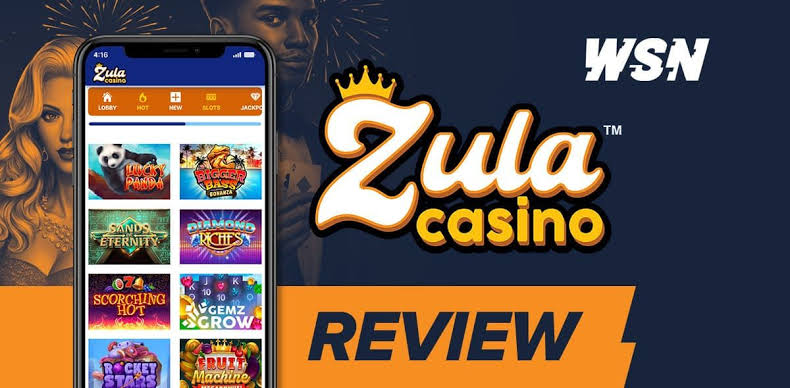
Explore the Zula Casino app search intent with a practical guide to mobile access account login casino games device security performance and responsible mobile gaming.
Find the best casino bonuses in 2026 with BetMGM Caesars Palace FanDuel & more. Get up to $2500 deposit match + bonus spins. Compare top welcome offers now.
The original rules and betting options for roulette were relatively simple. The game featured a spinning wheel with numbered pockets typically ranging from 1 to 36. The early versions of the game also featured a single zero pocket which gave the house a slight edge. In some variations there was also a double zero pocket which further increased the house edge.
the continued expansion of cryptocurrency and blockchain technology could also have a significant impact on the future of roulette. As more players look for ways to make secure and anonymous transactions it is possible that we will see more online casinos accepting cryptocurrencies like Bitcoin as a form of payment.
The game as we know it today first appeared in Paris in 1796 and quickly gained popularity throughout Europe especially in the casinos of Monte Carlo. The addition of the zero by Francois and Louis Blanc in the mid-19th century helped to increase the house edge and make the game more profitable for casinos.
One of the most popular theories is that the game was invented by a French mathematician named Blaise Pascal in the 17th century. According to this theory Pascal was attempting to develop a perpetual motion machine when he inadvertently created the roulette wheel. While this story is widely circulated there is little concrete evidence to support it.
When and why was the double zero added to the American roulette wheel? Zula Casino Guide Login, App, Promo Code & Reviews
zula casino
How Do Slot Bonuses Work?
Is Online Poker Rigged?
Qualify for the WPT Global Main Event via Low Buy-In Satellites
WPT Global Withdrawal Guide: Cashing Out Made Simple
Who invented the game of roulette?
WPT Global Casino: A Fun-Filled Adventure
WSOP USA Top 8 FAQ
Most Trusted Online Casino: WPT Global
Paulius Plausinaitis Wins GGMillion$ SHR for $315054
Frank Stepuchin Leads 2024 WPT Seminole RRPO After Day 1
zula casino
How Casino Bonuses Work: Wagering Rules & Tips
Best Casino Bonuses 2026: Top $2500 Welcome Offers Revealed
Martin Tsvetanov Wins Record-Breaking Eureka Main Event at EPT Prague
Shevliakov’s Comeback Wins Million-Euro Prize! How Did an Amateur Shock Everyone at the EPT Monte Carlo?
Can I Play GGPoker in the US?
WPT Global ¥110 CN¥ Million Sunday Hyper PKO Showdown
Timothy Chung: From Birthday Party to WPT Prime UK Champion
When and why was the double zero added to the American roulette wheel?
Best Online Casino Bonus 2026: Find the Top Welcome Deals
What were the original rules and betting options for roulette? The original rules and betting options for roulette were relatively simple. The game featured a spinning wheel with numbered pockets, typically ranging from 1 to 36. The early versions of the game also featured a single zero pocket, which gave the house a slight edge. In some variations, there was also a double zero pocket, which further increased the house edge.
What is the future of the game of roulette? One potential future for roulette is the integration of virtual and augmented reality technologies. This would allow players to immerse themselves in a virtual casino environment and enjoy a more realistic and engaging gaming experience.
Another potential future for roulette is the continued growth of online gaming. As more and more people turn to the internet for their gaming needs, online casinos are likely to become even more popular.
When and where was the game of roulette first played? The game as we know it today first appeared in Paris in 1796, and quickly gained popularity throughout Europe, especially in the casinos of Monte Carlo. The addition of the zero by Francois and Louis Blanc in the mid-19th century helped to increase the house edge and make the game more profitable for casinos.
Who invented the game of roulette? The exact origins of roulette are a subject of much debate and speculation among historians and gambling enthusiasts. While there is no clear consensus on the game’s inventor, several theories exist regarding its creation.
One of the most popular theories is that the game was invented by a French mathematician named Blaise Pascal in the 17th century. According to this theory, Pascal was attempting to develop a perpetual motion machine when he inadvertently created the roulette wheel.